Open to full-time UI/UX and product roles

Matias Indacochea

Research-led. Systems-minded. AI-fluent.

UI/UX and product designer. I take products from the first research conversation to a working prototype.

Selected work

Four projects. Each one a working product.

Hover a project to preview it, click to open it.Tap a project to open it.

Designed for

  • Greenopia
  • DzynLit
  • Jetzy
  • Scowtt

Trained at

  • Parsons
  • Stanford
  • Syracuse

Case studies

The thinking, in a minute.
The product, one click away.

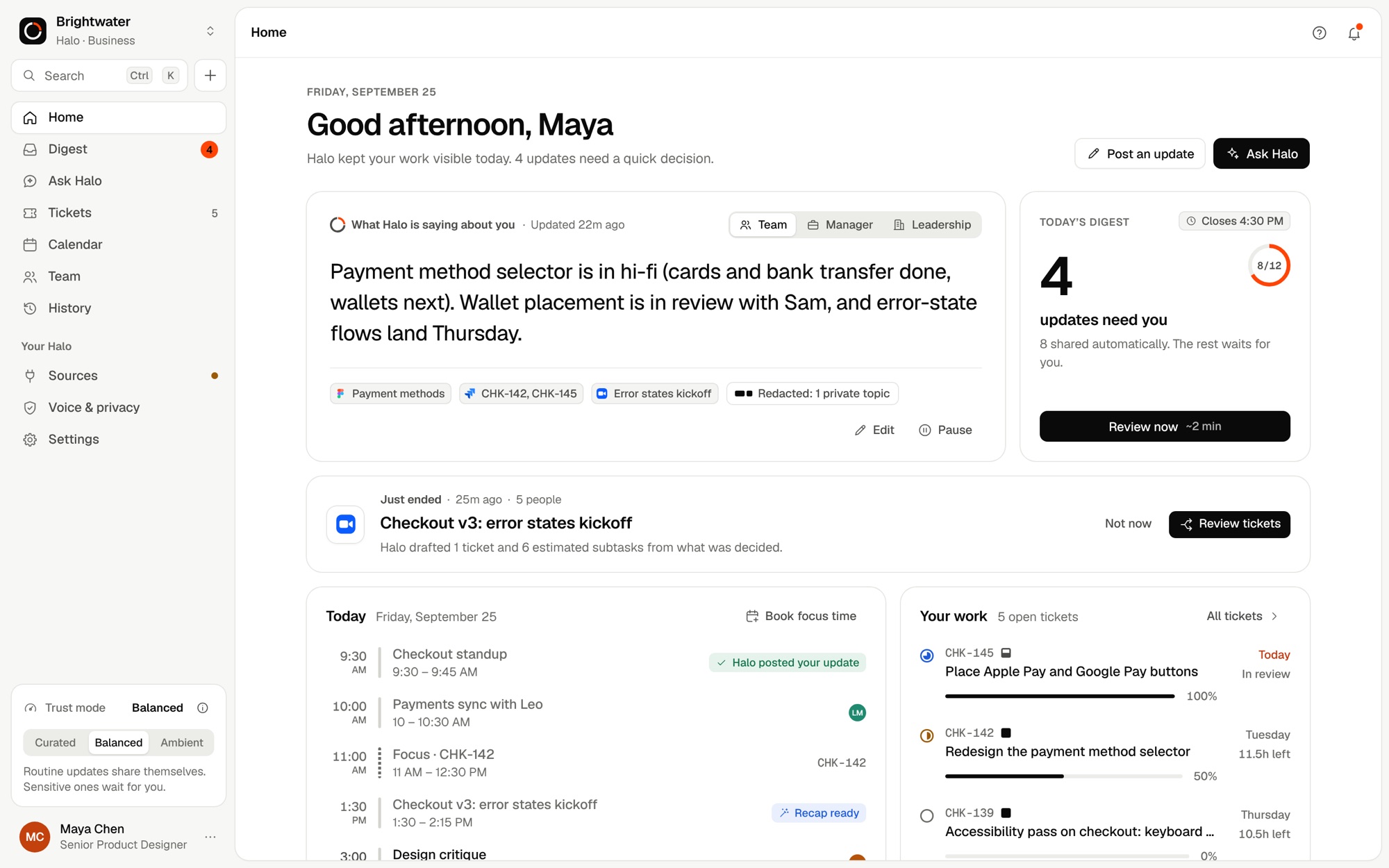
Halo, in 36 seconds

01AI product · Web app · 2026

Halo

Your work, represented.

Sole designer and product leadA working web app with live AI

Status updates eat hours every week, and the tools for them only work if people update them by hand.

WhyAt the startups I worked at, status work kept eating into the real work, mine included. I saw the gap, started asking colleagues, and Halo grew from there.

3roles interviewed: contributor, manager, freelancer

45minutes per interview

10hard objections tested

What I foundPeople wanted to review an update before anyone else saw it.

Youthe person doing the work

  • Teammategets the technical detail
  • Managergets the outcomes
  • Executivegets two sentences

It speaks for you, never about you.

  • Ticket toolsJira, Linear, AsanaOnly as current as the last update someone typed.
  • Note-takersFireflies, OtterCapture the meeting, not the rest of the week.
  • HaloDrafts from meetings, code, design and tickets, in your voice.

Curated12to review. You approve everything.

Balanced Default4to review. Routine shares itself.

Ambient0to review. Halo shares, you correct.

I didn’t pick one answer. I built a dial people can turn.

Trust works best as a control people can turn, not a promise.

Where I struggledAutomation versus control. Testers wanted to see updates first, so I added an approval digest.

What I’d do differentlyTest both versions in random order, so novelty can’t skew the results.
View case study

Live prototype. Tap the screen to use it.

02Mobile app · Co-designed · 2025–26

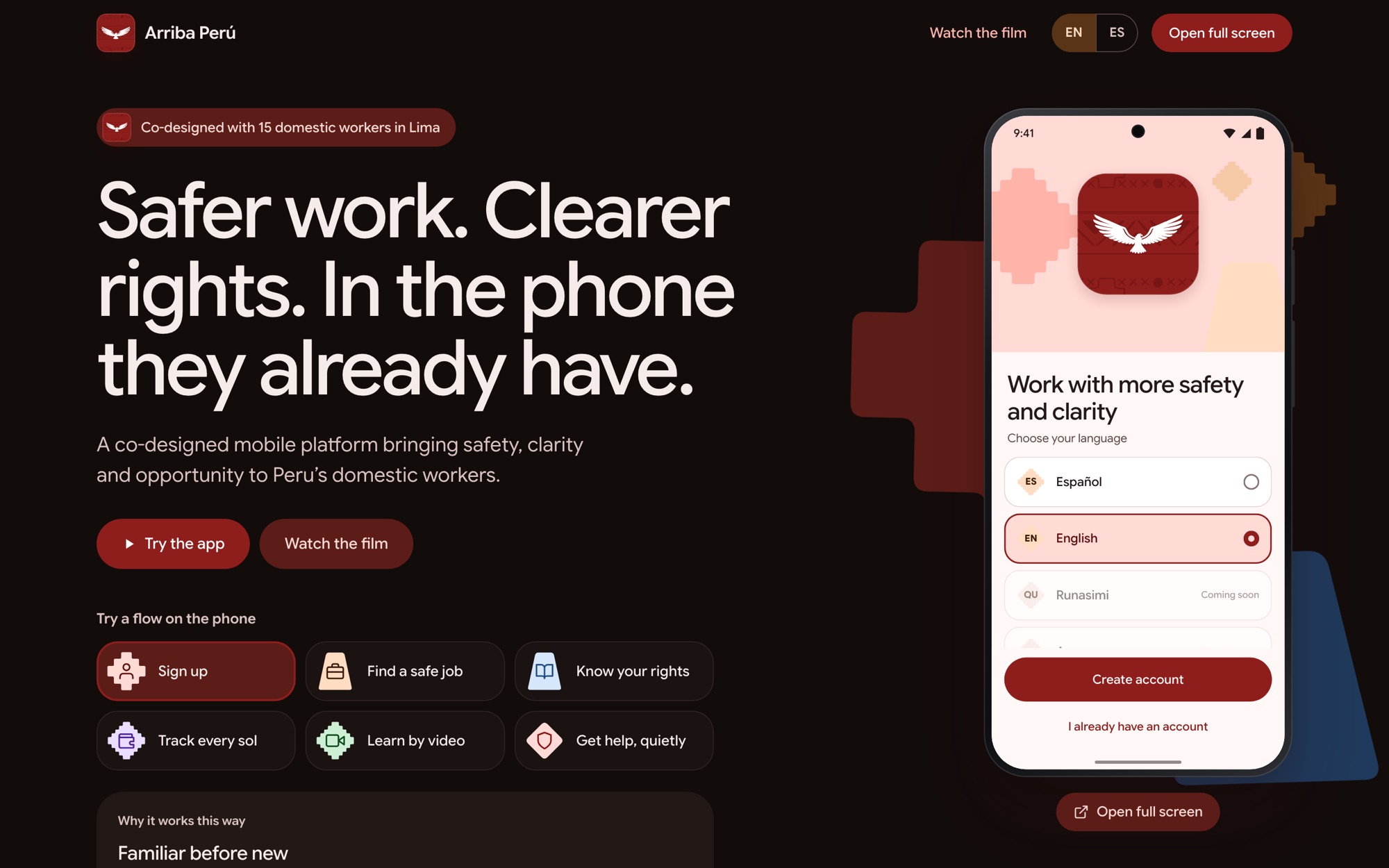
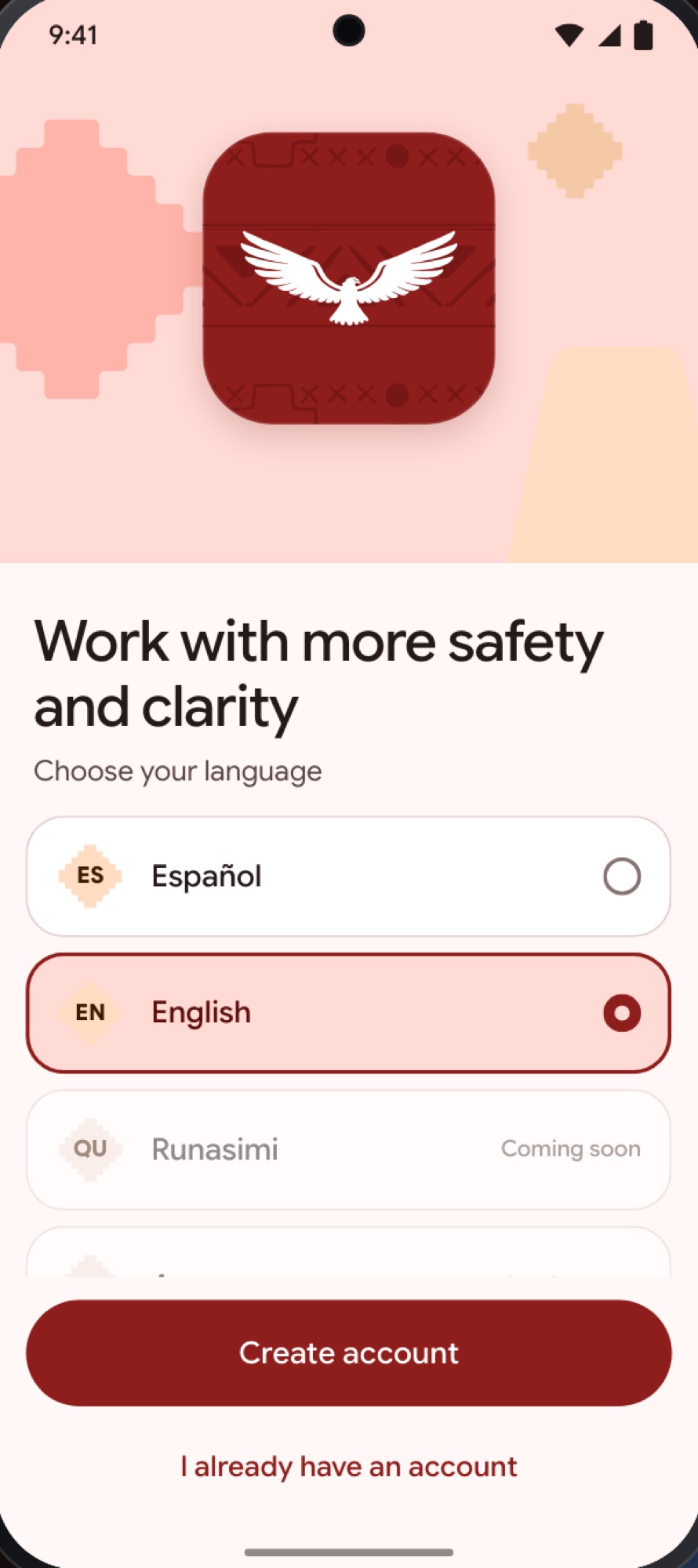
Arriba Perú

Safer work. Clearer rights. In the phone they already have.

Sole designer and researcherCo-designed with 15 domestic workers

Peru’s domestic workers have rights by law, written in legal language for employers. The gap isn’t information. It’s access.

WhyDomestic workers hold Peruvian homes together, yet the tools built for work leave them out. I wanted to design with them, not for them.

15domestic workers in Lima

6weeks, all remote, over WhatsApp video

  • Voice-note diaries
  • Anthropologist’s guidance
  • Sketches back by video

What I foundSafety isn’t built into the system. It’s built into relationships.

420K–500Kdomestic workers in Peru, most of them women

70–80% own or regularly use a phone. So the app lives there.

Gig apps assumeArriba builds on

Smartphone fluencyVoice first, every screen read aloud

A bank accountYape and cash, in one place

A job feed firstThe worker’s own profile first

Job feed first

Profile first

Typed sign-up

Voice sign-up

Workers chose identity first. Text felt like a school test; voice felt like storytelling.

How I ran the research was a design decision in itself.

Where I struggledNo budget to travel to Lima, so I ran six weeks of research remotely.

What I’d do differentlyPartner with an NGO from day one, and print an explainer for people without smartphones.

View case study
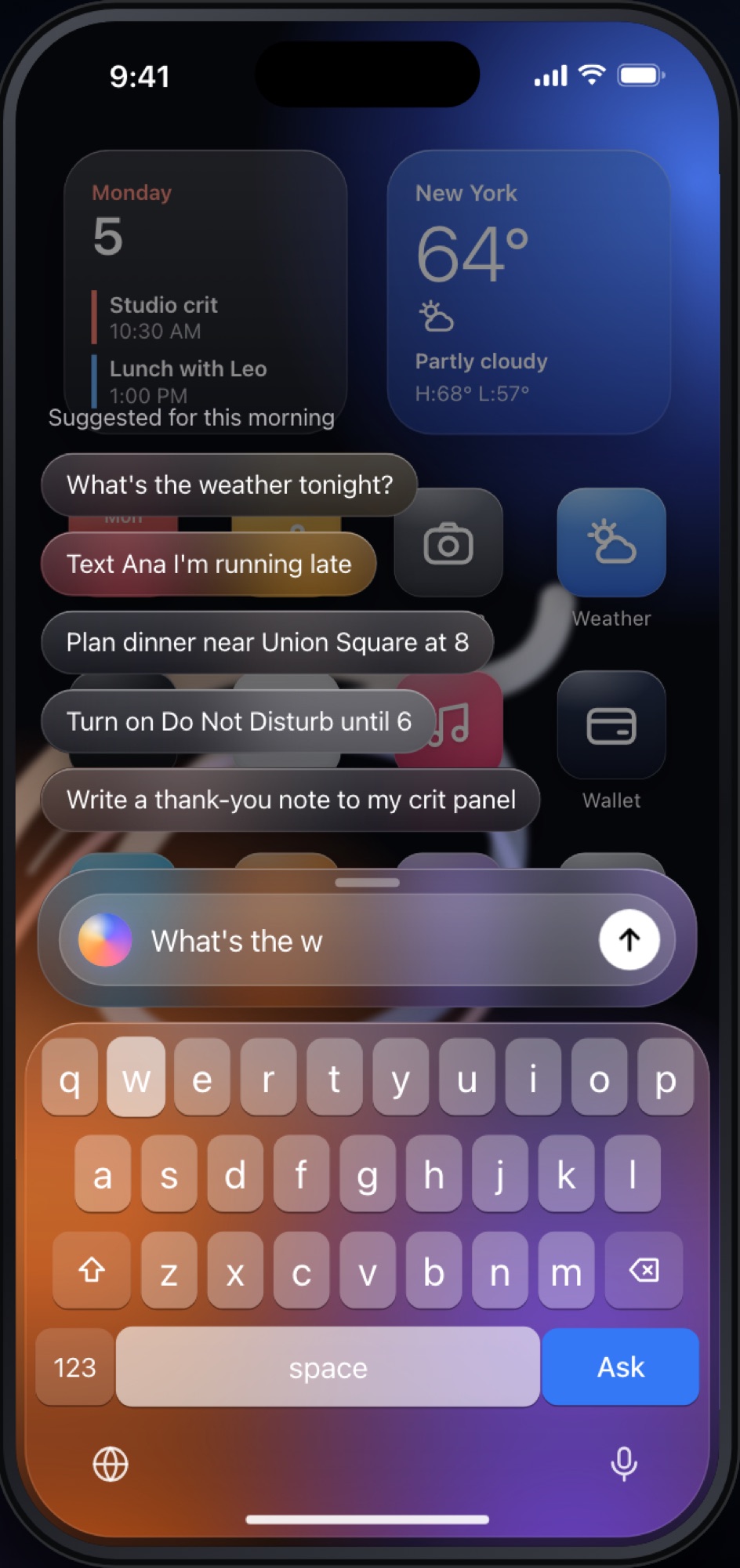
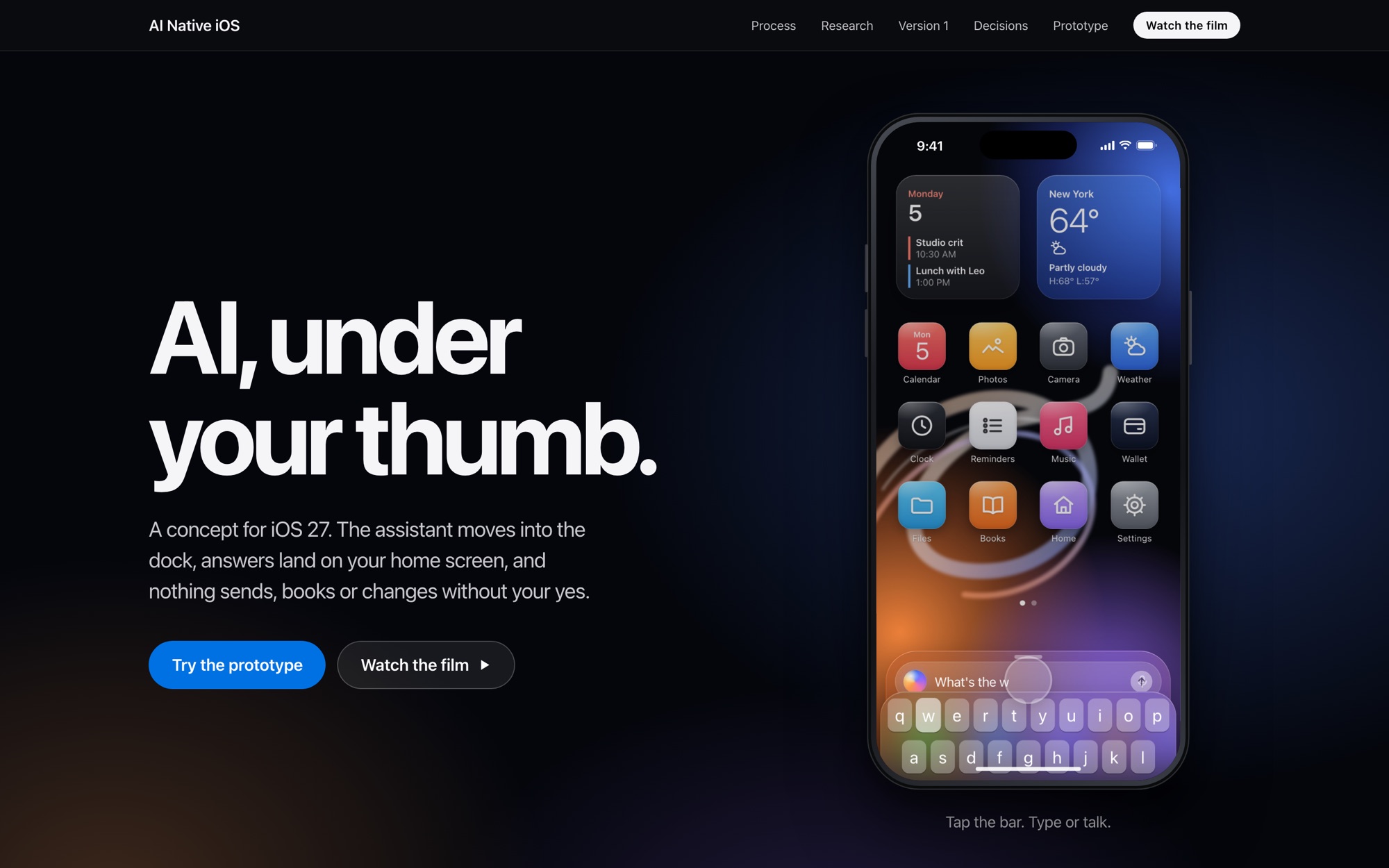
The AI Native iOS prototype: an ask bar in the dock above the keyboard, with suggested questions on the home screen

Live prototype. Tap the screen to use it.

03Concept · iOS · 2025

AI Native iOS

AI, under your thumb.

Sole designer, both versionsA working prototype with nine flows

AI on iPhone still lives apart, at the top of the screen, with its history in another app.

WhyEvery era of iOS made the phone more personal, yet AI still arrives as a separate app. I wanted to show what built in could feel like.

Five sources on iOS 26, sorted into seven themes

PraisedPolishEcosystemCustomization

SplitAI and SiriStability

CriticizedUpdatesCost

What I foundAI split people: excited by the features, frustrated by lag.

  • Hard one-handed
  • A stretch
  • Easy to reach

Small, everyday questions. So ask where the thumb already rests.

iOS 27 todayAsk from the top. Past chats in a separate app.

This conceptAsk from the dock. History one swipe up.

Own appTopFloatingDock

Easy one-handed

Home screen stays

Always visible

StrongPartialWeak

The dock costs one slot, so only one app there can change.

When the platform answers half your question, the work is in the other half.

Where I struggledWhen iOS 27 shipped, I had to critique my own version 1 and rebuild it.

What I’d do differentlyA week-long diary study, to see if people rely on the moving slot.

View case study
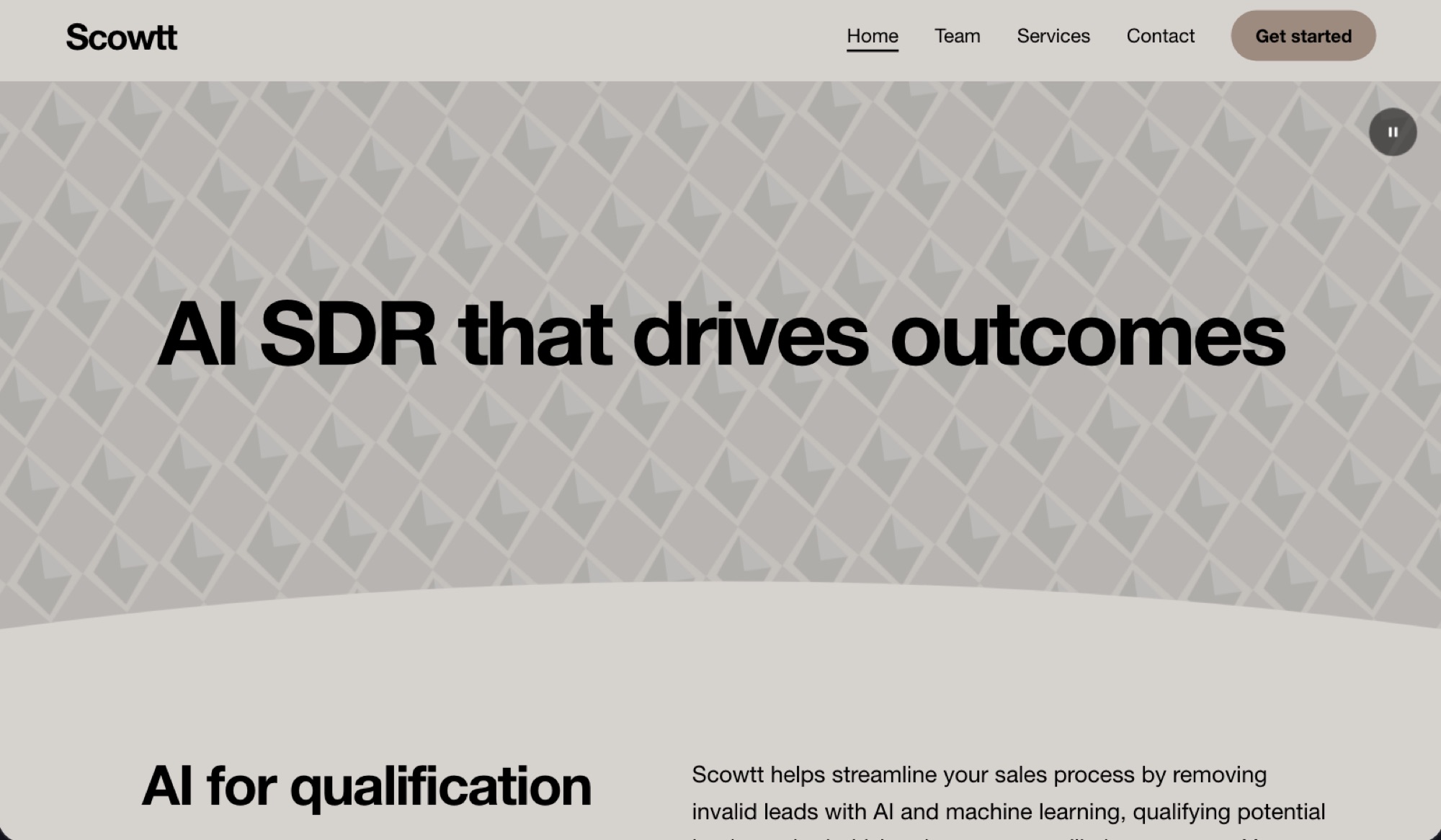
The original website
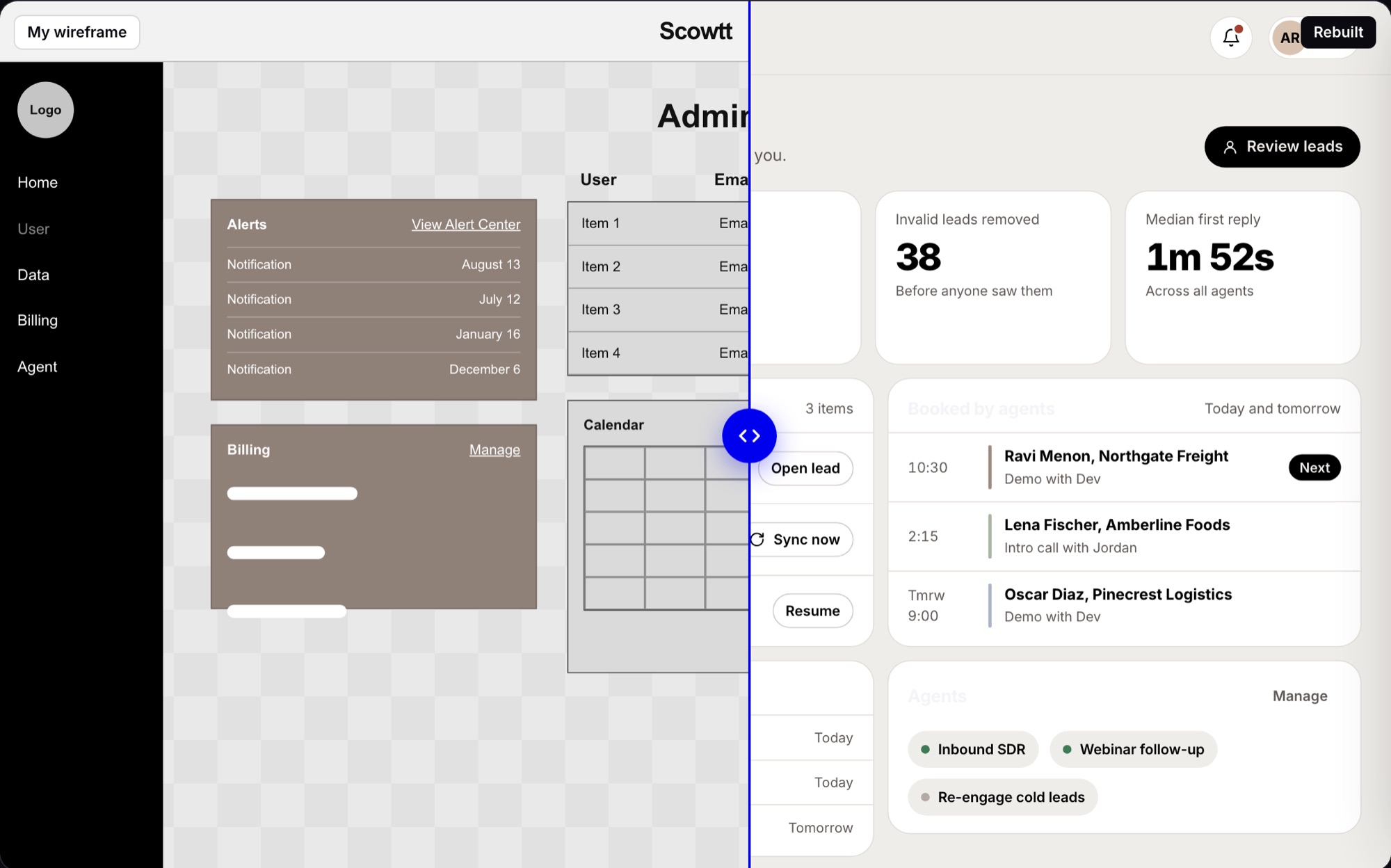
The original Scowtt homepage, rebuilt from my screens: AI SDR that drives outcomes
From wireframes to a working app
My original Scowtt wireframe beside the rebuilt app console, split by a comparison slider

04Brand & product · AI startup · 2024–25

Scowtt

AI that finds a company’s best leads and books the meeting.

Design intern to Head of DesignThrough the $12M Series A

The product works where nobody can see it, in a category so new its name explained nothing.

WhyCompanies were letting software talk to their future customers. The design had to earn that trust.

What it was up against

  • InvisibleIt works inside a CRM and an inbox.
  • New“AI SDR” explained nothing yet.
  • Asks for trustSoftware talks to future customers.
  • Kept movingAn early pitch that kept changing.

A busy sales leader, deciding in one scroll

  1. What is it?Five words: AI SDR that drives outcomes.
  2. How does it work?Two rows: qualify, then follow up.
  3. Why trust it?The mission comes before the product.
  4. What next?One button: Get started.

“AI SDR” was a brand-new term

  1. New leadFrom a form, an ad or the CRM
  2. QualificationFakes removed, the rest scored
  3. Sales developmentAn AI agent follows up
  4. ResultA meeting, or a lead to nurture

So I explained it in the order it works.

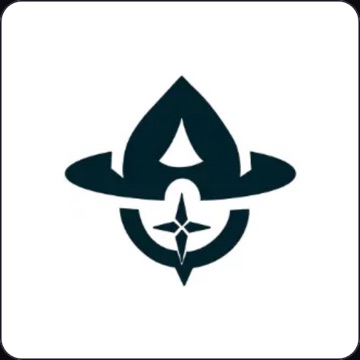
  • The scout
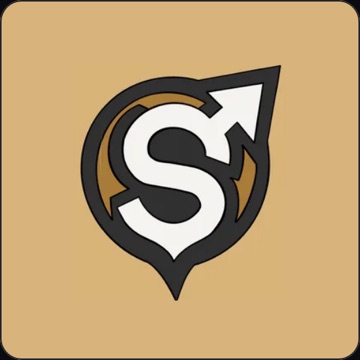
  • The faceted S
  • Find and lead
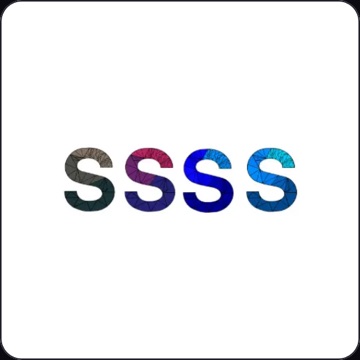
  • The folded S

My four logo directions, from sketches. A design team made the final logo later.

When the pitch keeps changing, anchor the story on how the product works.

Where I struggledThe story kept changing while I designed it.

What I’d do differentlyCheck every contrast pairing, design with real words sooner, and show why each lead ranks.

View case study

“He is the type of designer who elevates both the quality of the work and the people around him.”

Samantha LyProduct Strategist · worked with me on the same team Full recommendation on LinkedIn

How I work

Not a straight line.

Six moves, in whatever order the problem needs. I lead every one, and AI follows: Claude first, ChatGPT second, always the latest models.

My attack: find the real question, build it for real, try to break it, ship the whole package.

See it in the case studies

Apple shipped iOS 27, so I went back to version 1.

Read the AI Native iOS case study

The people I designed with changed my priorities.

Read the Arriba Perú case study

Feedback turned trust into the product.

Read the Halo case study

The pitch kept moving, so I anchored the story.

Read the Scowtt case study

Every project here went back at least once, and the decision that defined it came after.

Beyond UI/UX. What a team gets.

  • Front-end buildsEvery project here is a working product, built with AI-assisted code.
  • AI integrationHalo answers live with Claude, through a proxy that keeps the API key off the browser.
  • Technical scopingAt Jetzy, I mapped an API to the data model and ranked three build options by cost.
  • Brand systemsMarks, palettes, tokens and guidelines for Scowtt, Greenopia, Halo and Arriba Perú.
  • Motion and filmHalo’s 84-second launch film and a 15-second vertical cut, rendered from code.
  • Investor storytellingGreenopia’s 24-slide investor deck, with on-brand charts generated in Python.
4
case studies, each one a working product
15
domestic workers in Lima co‑designed Arriba Perú
$12M
Series A Scowtt raised while I led its design
9
working flows in the AI Native iOS prototype

About

Behind the work.

I think in systems and human factors, not just screens.

I trained in Industrial and Interaction Design at Syracuse, studied UX Design for AI Products at Stanford, and I’m now earning a Master’s in Communication Design at Parsons.

I’ve owned design end to end, from a startup’s first logo to a product carried through its Series A. I ship with engineers, and I test new AI models the day they ship.

  • Based inNew York
  • LanguagesEnglish, Spanish
  • MemberDesign Management Institute

Experience

Across product, brand and AI.

    • Prototype functional, interactive demos with AI tools, moving clients from concept to a testable product efficiently.
    • Integrate AI into the design workflow for research synthesis, copy exploration and deliverable production.
    • Lead design across product, brand and marketing for a sustainability data platform, shipping investor-facing deliverables that supported funding milestones.
    • Developed the brand system now used across product UI, the marketing site and investor decks, cutting design turnaround and keeping everything consistent.
    • Partner directly with the founding team to ship product UI, campaigns and data visualization.
    • Collaborated with the product team on a new homepage that elevates the platform’s travel-focused brand and improves engagement.
    • Created wireframes and high-fidelity mockups that balance visual appeal with intuitive navigation.
    • Applied user-centered design principles for a cohesive experience across web and mobile.
    • Built a complete brand identity system that reflects the company’s mission and visual direction.
    • Designed the full user interface for the company website, translating brand standards into an intuitive digital experience.
    • Delivered a cohesive visual language and guidelines to keep print and digital touchpoints consistent.
    Read the Scowtt case study

Education

Aug 2026 – May 2027

Parsons School of Design

The New School, New York

Master’s in Communication Design (MPS)

Jun – Aug 2026

Stanford University

Online

UX Design for AI Products

May 2026

Syracuse University

Syracuse, NY

Bachelor of Industrial + Interaction Design, Minor in Sustainability

Toolkit

  • Figma
  • Adobe Creative Suite
  • Illustrator
  • Photoshop
  • Procreate
  • Vizcom
  • HTML/CSS
  • AI-assisted prototyping
  • Claude
  • ChatGPT

Affiliations

DMI, Design Management Institute
Member since September 2025
Closing panelist, New Voices 2026, Washington, DC

Full resume (PDF)

Contact

Let’s build what’s next.

I’m looking for a full-time UI/UX or product design role. Tell me what you’re building.

I reply within a day, usually the same one.